· 3 min read
How to budget when your income is not steady
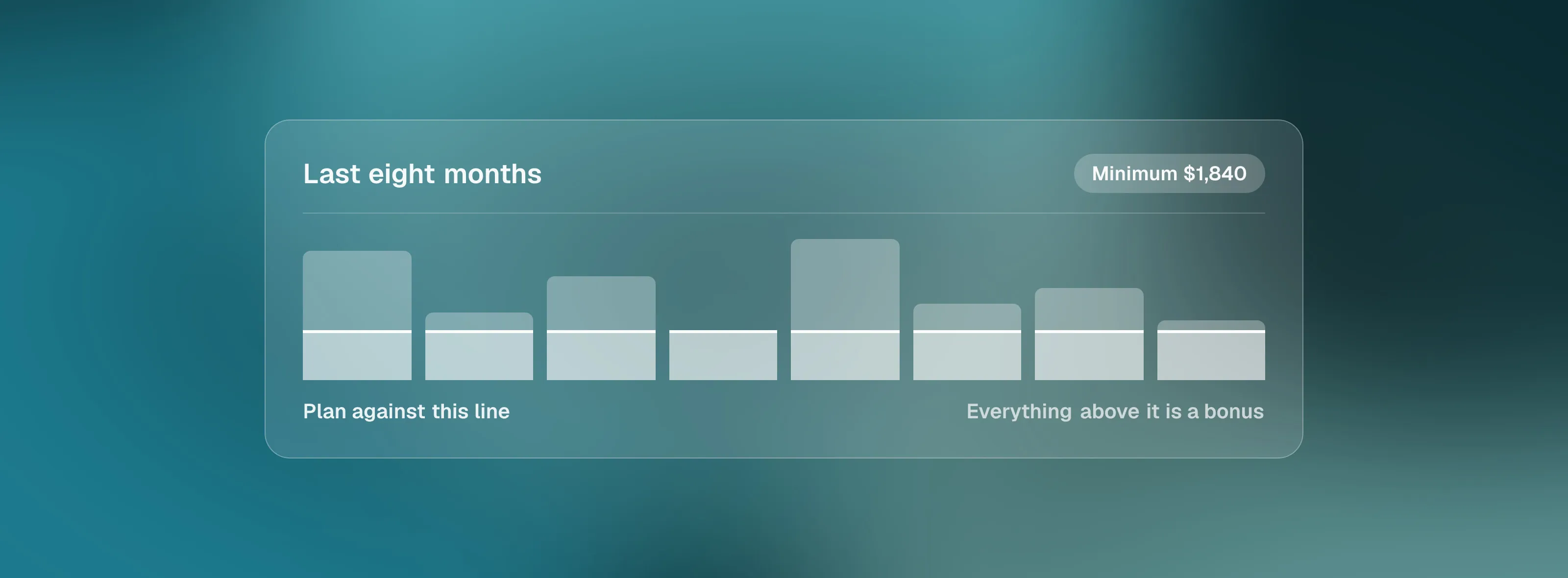
Budgeting with irregular income works, but it starts from a different number. Plan from what you can count on, and give the rest a job when it lands.
Calm, practical writing on budgeting: planning a month, living with irregular income, and habits that stick.
· 3 min read
Budgeting with irregular income works, but it starts from a different number. Plan from what you can count on, and give the rest a job when it lands.
· 4 min read
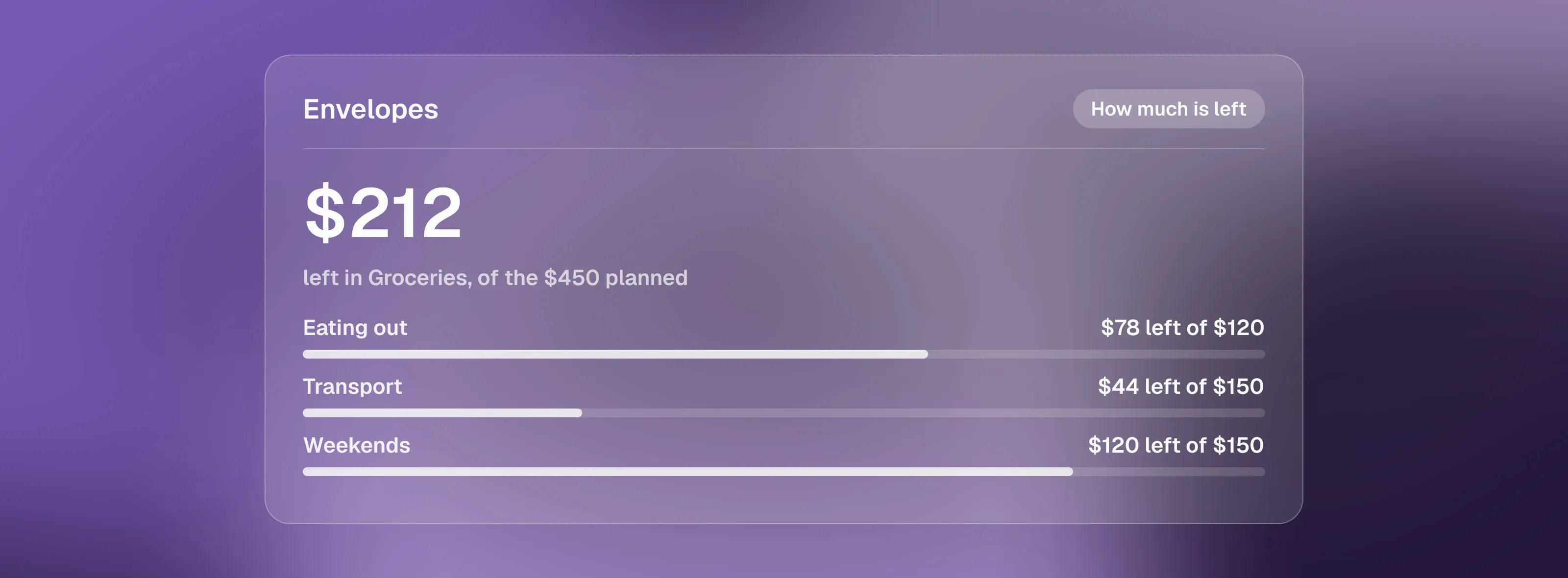
Dividing money into categories is an old idea that still works, because it matches how people already think about spending. Here is how it fits today.
· 4 min read
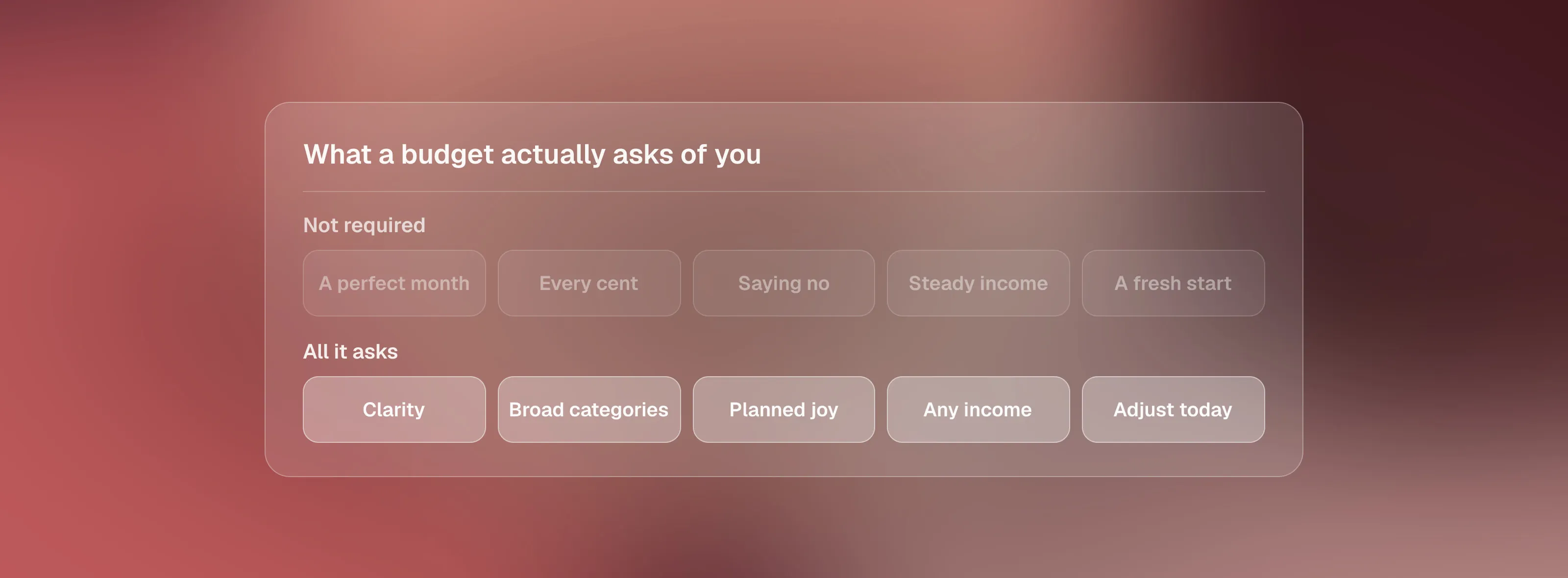
A budget is a tool for understanding your life, not a test of discipline. Five beliefs that quietly make budgeting heavier than it has to be.
· 4 min read
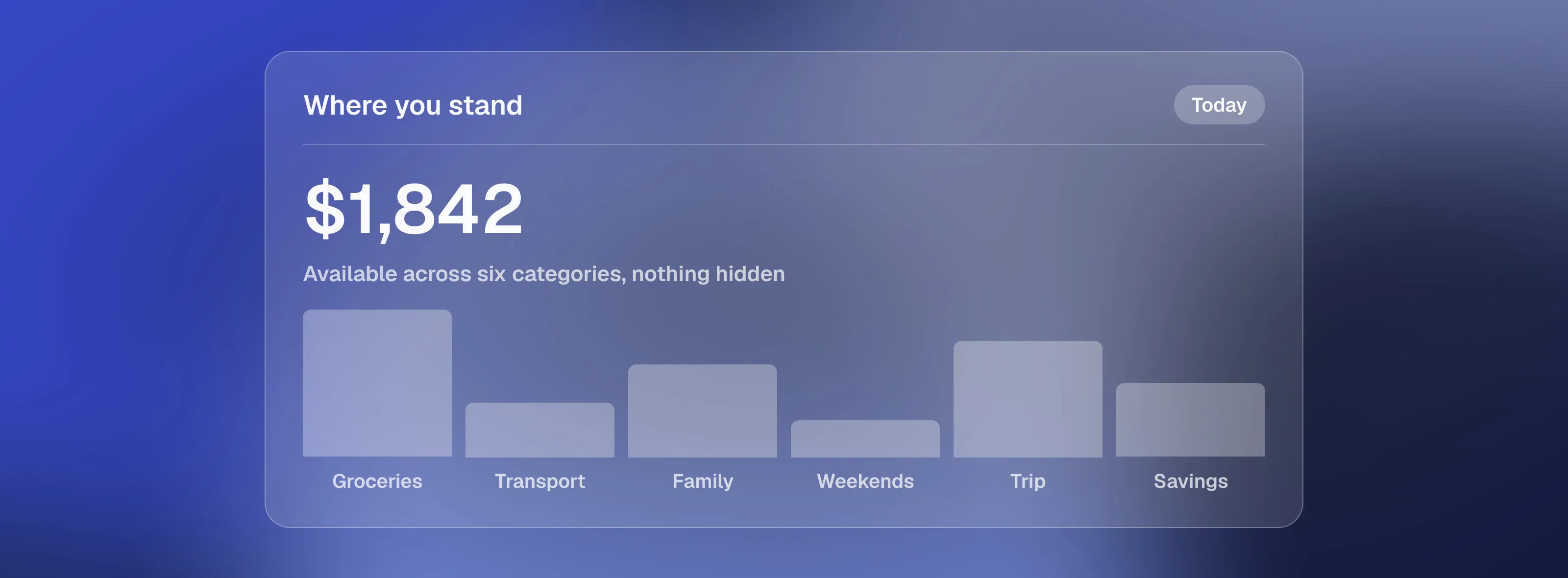
Feeling behind with money is usually a visibility problem rather than a discipline problem. Here is what Lighthouse does about it, and what it does not.
· 5 min read
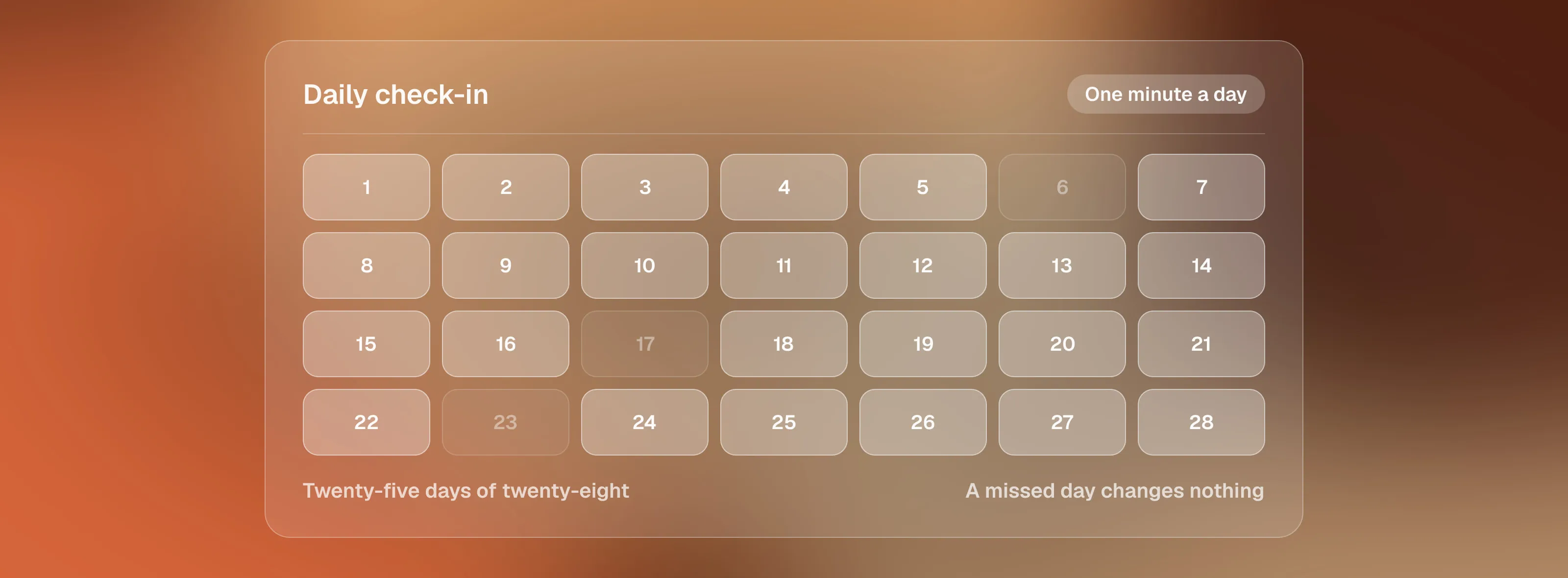
Big changes rarely last. These seven habits take a minute each, and they are what keeps a budget alive on ordinary, busy, unmotivated days.
· 6 min read
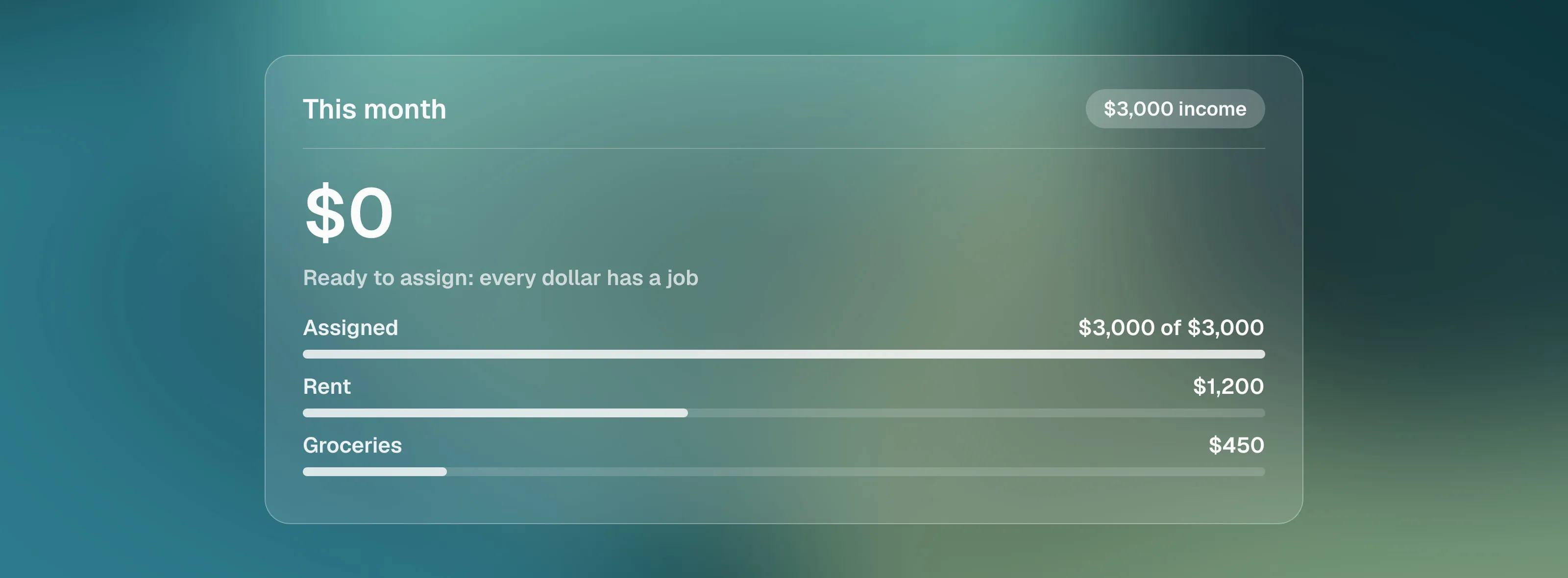
Zero-based budgeting means deciding what each amount of money is meant for before the month begins. Here is how that works in an ordinary month.
· 4 min read
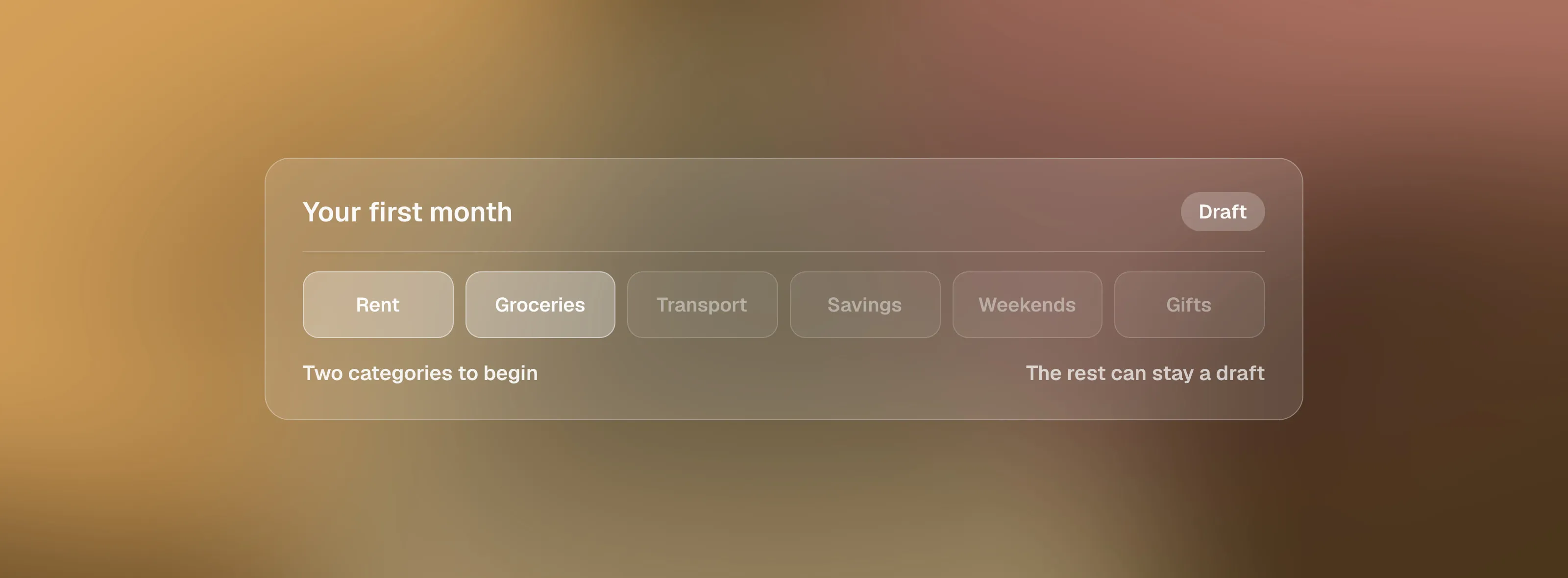
The first months of budgeting rarely feel calm. Here is what to expect, so the ordinary messy beginning does not read to you as failure.