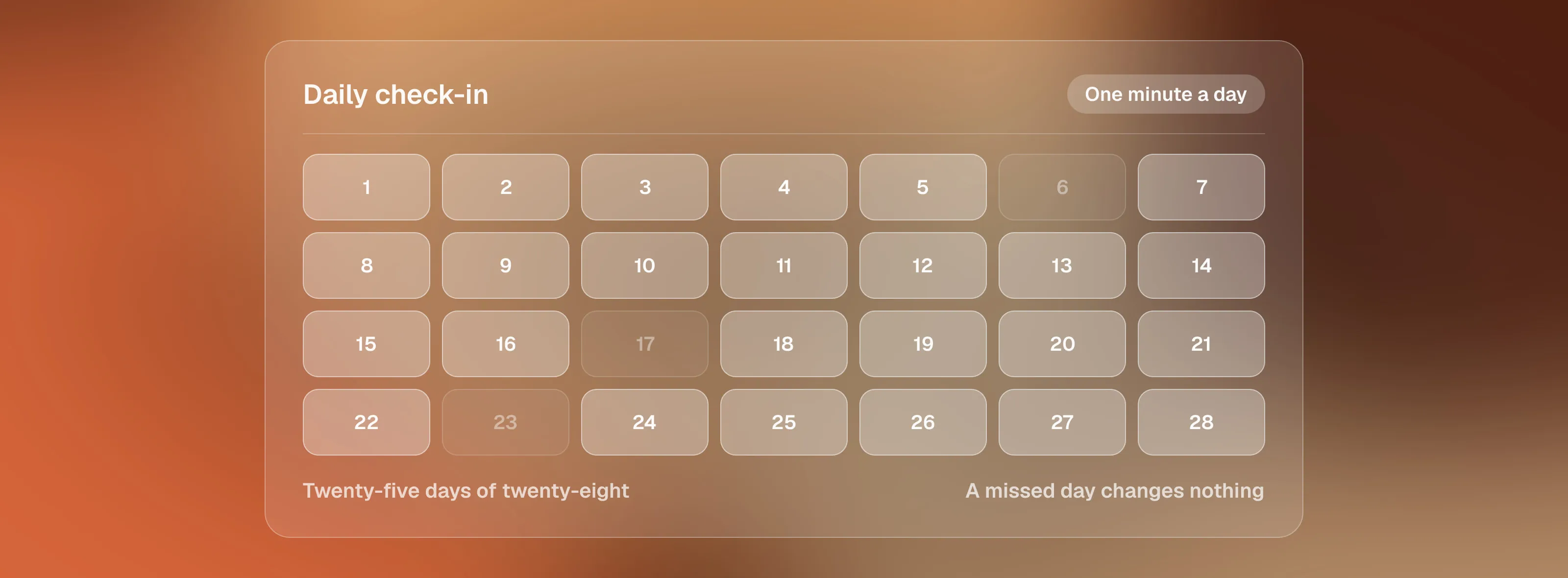
Big changes sound motivating, but they rarely last. What actually works, in budgeting and elsewhere, are the small steady habits you repeat without stress. You do not need strict routines or hours of planning to feel in control of your money.
Below are seven habits that take a minute or two, but make budgeting feel lighter over time.
Why micro-habits work better than big changes
Small steps fit into real life
Dramatic changes feel exciting at first and overwhelming soon after. Micro-habits are small enough to fit into real life, even when you are tired, busy, or unmotivated. Over time they create a steadiness that no big transformation matches.
They keep you connected to your money gently
Instead of opening your budget once a month and feeling surprised, micro-habits keep you lightly in touch with what is going on, which makes each decision feel calmer.
Consistency can be tiny
Motivation comes and goes, but consistency can be tiny. A thirty-second check-in. A quick category rename. A small plan on payday. When habits are this light, they become part of your rhythm instead of a task.
1. Do a one-minute daily check-in
Thirty seconds is enough
A daily check-in does not mean reviewing every detail. Open your budget, take a breath, notice what changed. Thirty seconds is enough, and it keeps the budget familiar rather than intimidating.
Why this creates calm
When you look at your money regularly, even briefly, it stops being a mystery. Small adjustments get easier because you are not catching up on weeks of information at once.
2. Name your categories like real life
Language shapes how you spend
A category called “Miscellaneous” tells you nothing. A category called “Weekends out” or “Lunch at work” tells you plenty. Names that match your real world help you understand the plan and feel connected to it.
Clear names mean clear choices
When your categories reflect your actual life, staying on track and adjusting without confusion both get easier.
3. Plan money the day it arrives
Assigning income right away removes uncertainty
Each time you are paid, take a moment that day to decide what the money is meant for. It does not have to be perfect, only clear enough to give the month structure.
Income stops disappearing before it has a job
This habit removes the floating-money feeling — the sense that income disappears before you know where it went.
4. Keep one category for small joys
Emotional comfort matters in a budget
Budgets fail when they feel too strict. A small-joys category creates room for a coffee out or something that lifts your day. It is not about indulgence, it is about staying with the plan.
When joy is planned, guilt goes away
Having space for something pleasant makes a budget feel human and realistic rather than punishing.
5. Review your week on the same day
Routine creates calm
Pick one day — Sunday, Friday evening, Monday morning — and spend five to seven minutes reviewing how the week went. It does not have to be detailed.
Small changes show up early
A weekly rhythm helps you notice small changes early, instead of feeling overwhelmed later.
6. Move money without guilt
Adjusting is part of the method
Money moves and plans change. Zero-based budgeting is built for exactly that. Moving money between categories is not a failure, it is how you stay connected to real life.
Your budget is not a test. It is a tool that shifts with you, and shifting it is the point.
7. Keep a small future list visible
Visibility keeps long-term calm
A short list of future wants — a small trip, a jacket, a class you want to take — keeps your goals present without pressure. It gives your money a direction beyond this month.
It shows you what you are moving toward
Even adding $10 to a goal creates a sense of momentum.
How Lighthouse supports these habits
Lighthouse is built for small moments rather than long sessions: a quick daily glance, categories you can name after your real life, and a plan you can adjust whenever things change.
Pick one habit for this week
You do not need to adopt all seven at once. Choose one that feels light and try it this week. You can start with a note on your phone, a piece of paper, or inside Lighthouse when the moment feels right.